The Rise of the Digital Workplace
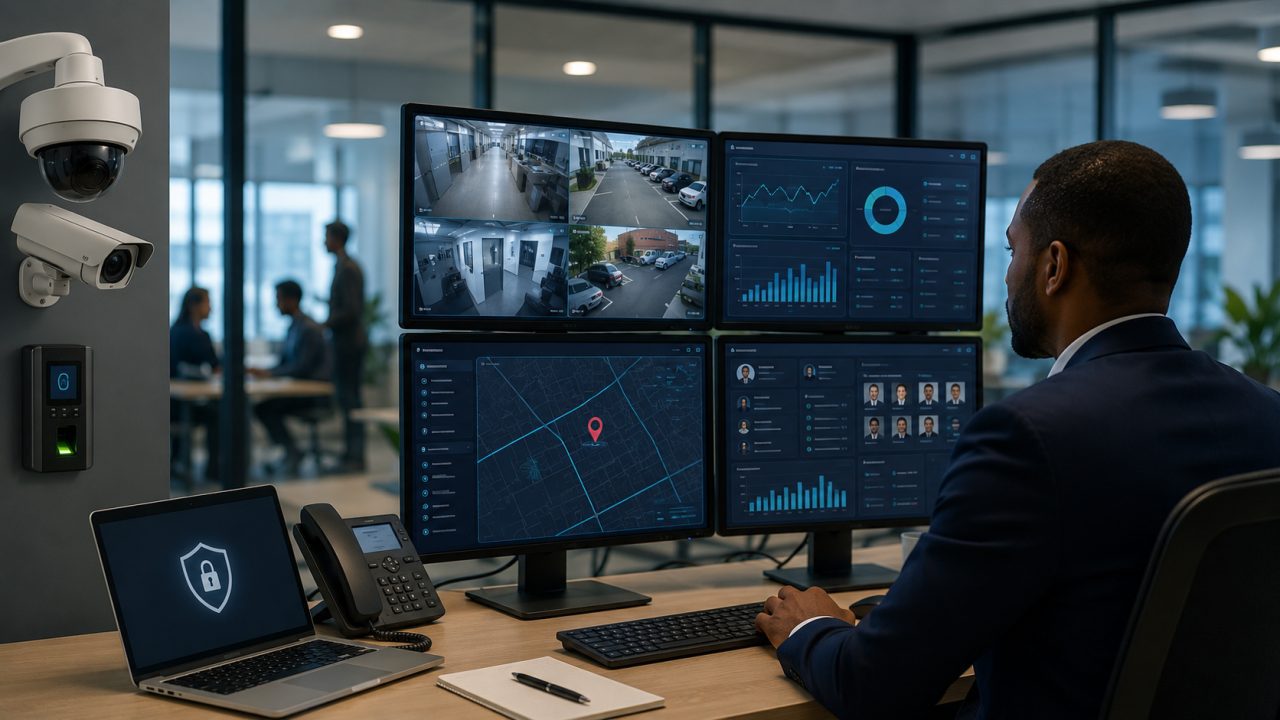
Technology has changed the way businesses operate. From hybrid work environments and remote teams to GPS-tracked fleets and AI-driven productivity dashboards, employers now have more tools than ever to monitor workplace performance and protect business interests.
Artificial intelligence, employee monitoring software, CCTV systems, vehicle tracking, call recording solutions and digital productivity tools have become commonplace across many industries in South Africa. Employers use these systems to improve efficiency, reduce losses, detect misconduct, monitor remote workers and safeguard company assets.
For many businesses, particularly those managing multiple locations or remote staff, workplace monitoring has become an operational necessity rather than a luxury.
However, while technology provides significant advantages, it also introduces legal responsibilities. Employers cannot simply monitor employees without considering privacy rights, data protection obligations and fair labour practices.
The reality is that workplace monitoring is not prohibited in South Africa. What matters is whether the monitoring is lawful, transparent, reasonable and properly managed.
As AI-powered monitoring tools become increasingly sophisticated, employers must understand where the legal boundaries lie and how to remain compliant while protecting their business interests.
Why Workplace Monitoring Has Become So Popular
The modern workforce looks very different from what it did a decade ago.
Many organisations now manage:
- Remote employees
- Hybrid workforces
- Mobile sales teams
- Delivery drivers
- Customer service centres
- Multiple branch operations
- Digital-first workplaces
Traditional supervision methods are often no longer practical.
Employers therefore rely on technology to maintain visibility and accountability across their operations.
Common workplace monitoring tools include:
- CCTV surveillance systems
- Vehicle GPS tracking
- Email and internet monitoring
- Call recording software
- Time and attendance systems
- Biometric access control
- Productivity monitoring software
- AI-powered performance analytics
- Remote desktop monitoring solutions
These tools can provide valuable business intelligence and help employers address operational challenges.
For example, GPS tracking can improve fleet efficiency and reduce fuel theft. CCTV systems can deter misconduct and assist during investigations. Productivity software can help managers identify bottlenecks and improve workflow management.
Used correctly, these tools can contribute significantly to productivity, safety and profitability.
Used incorrectly, they can expose employers to substantial legal risk.
Employee Privacy Rights Still Matter
A common misconception among employers is that because they own the equipment, premises or systems being monitored, they can monitor employees however they choose.
This assumption is dangerous.
South African employees retain privacy rights even while performing their duties.
Although employees generally have a reduced expectation of privacy within the workplace, that expectation does not disappear entirely.
Employers must balance their legitimate business interests against the rights of employees.
Several legal frameworks become relevant when workplace monitoring takes place, including:
- The Constitution of South Africa
- The Protection of Personal Information Act (POPIA)
- The Regulation of Interception of Communications and Provision of Communication-Related Information Act (RICA)
- The Labour Relations Act (LRA)
- Employment contracts
- Workplace policies
- Common law principles
Failure to consider these legal obligations can result in disputes, complaints and reputational damage.
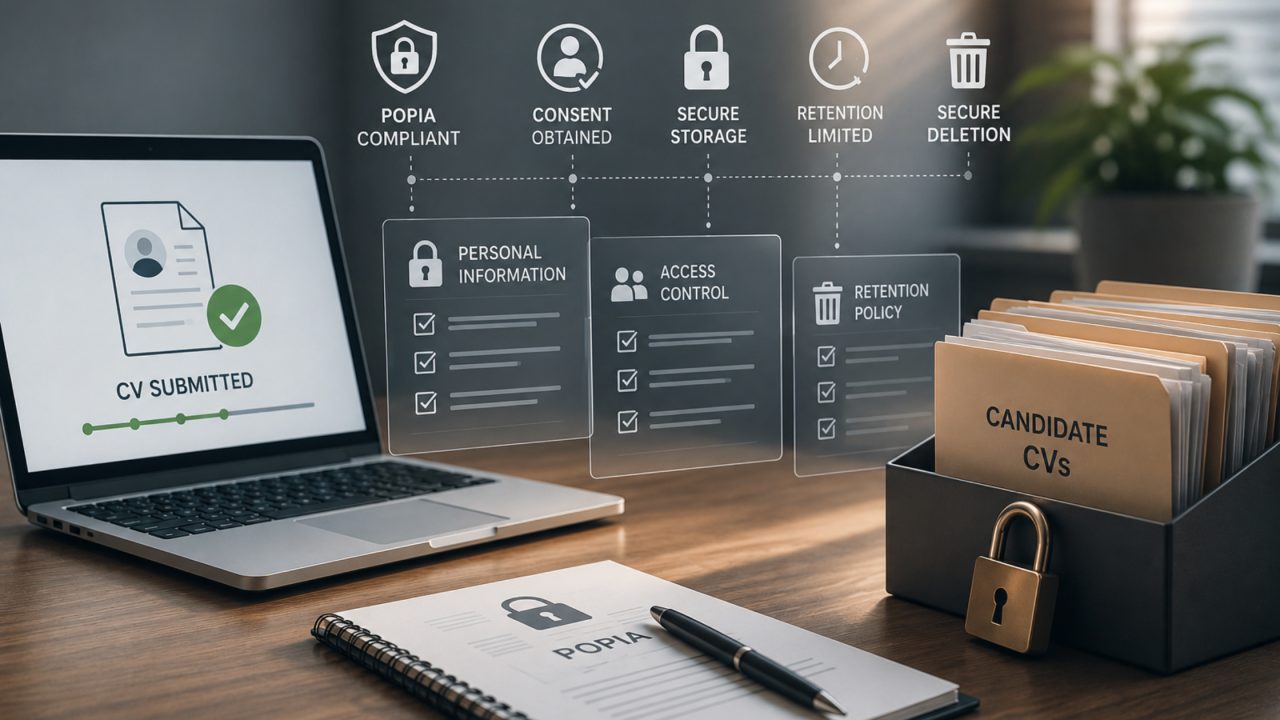
The POPIA Challenge
POPIA has fundamentally changed how employers must approach workplace monitoring.
Monitoring often involves the processing of personal information because it collects information about identifiable individuals.
Examples include:
- CCTV footage
- Vehicle location data
- Biometric records
- Email communications
- Internet usage records
- Call recordings
- Productivity metrics
- AI-generated employee profiles
Under POPIA, employers must ensure that personal information is processed lawfully and for a legitimate purpose.
This means employers should be able to explain:
- What information is being collected
- Why it is being collected
- How it will be used
- Who may access it
- How long it will be retained
- How it will be protected
- Whether employees have been informed
Employers who cannot answer these questions may find themselves exposed to compliance risks.
Transparency Is Your Strongest Defence
One of the biggest mistakes employers make is implementing monitoring systems before establishing policies.
Transparency is critical.
Employees should not discover months later that their emails, internet activity or vehicle movements have been monitored without their knowledge.
The best approach is proactive communication.
Employees should understand:
- What monitoring takes place
- Why monitoring is necessary
- What systems are affected
- How information may be used
- What rights and responsibilities apply
When employees are informed upfront, employers significantly reduce the likelihood of future disputes.
The Growing Role of AI in Workplace Monitoring
Artificial intelligence is rapidly changing workplace management.
Many modern monitoring platforms now use AI to analyse employee behaviour and performance patterns.
These systems can evaluate:
- Productivity levels
- Attendance patterns
- Time spent on tasks
- Customer service interactions
- Email behaviour
- Vehicle usage
- Work habits
- Potential compliance risks
The attraction is obvious.
AI can process large volumes of information much faster than any human manager.
However, AI introduces unique legal and ethical concerns.
Algorithms can make mistakes.
Data can be incomplete.
Context can be misunderstood.
False conclusions can be generated.
Employers should never rely solely on AI-generated outcomes when making disciplinary decisions.
If an employee faces disciplinary action based on AI-generated information, the employer must still:
- Verify the evidence
- Consider context
- Allow the employee to respond
- Follow a fair process
The fact that “the system identified a problem” is not sufficient on its own.
CCTV Monitoring and Surveillance
CCTV remains one of the most widely used workplace monitoring tools.
Employers commonly install cameras to:
- Improve security
- Prevent theft
- Protect employees
- Monitor access points
- Investigate incidents
There is generally nothing unlawful about workplace CCTV where there is a legitimate business purpose.
However, employers must avoid placing cameras in areas where employees have a strong expectation of privacy.
Examples include:
- Bathrooms
- Changing rooms
- Shower facilities
Employers should also ensure that:
- Appropriate notices are displayed
- Footage is stored securely
- Access is restricted
- Retention periods are managed
CCTV footage often becomes valuable evidence during disciplinary proceedings, but only when collected and handled properly.
GPS Tracking and Vehicle Monitoring
Vehicle tracking technology has become standard across many industries.
Benefits include:
- Route optimisation
- Fuel management
- Driver safety
- Vehicle recovery
- Productivity monitoring
Employers generally have a legitimate interest in tracking company-owned vehicles.
However, complications arise when employees are permitted to use vehicles for private purposes.
Employers should clearly define:
- When tracking applies
- Whether after-hours tracking occurs
- How information is used
- Who may access the data
Again, transparency is essential.
Email and Internet Monitoring
Employers often need to monitor company systems to:
- Protect confidential information
- Prevent cyber threats
- Detect misconduct
- Maintain productivity
However, monitoring should be governed by clear policies.
Employers should address:
- Acceptable use rules
- Personal use allowances
- Monitoring practices
- Prohibited conduct
- Consequences of misuse
A properly drafted IT and Electronic Communications Policy can significantly reduce risk.
Using Monitoring Evidence in Disciplinary Proceedings
Monitoring evidence can be extremely valuable when investigating misconduct.
Examples include:
- CCTV footage showing theft
- GPS data confirming route deviations
- Email records revealing misconduct
- Internet logs showing policy breaches
However, evidence alone is not enough.
Employers must still follow fair disciplinary procedures.
Before relying on monitoring evidence, employers should ask:
- Was the employee aware of the monitoring?
- Is the evidence reliable?
- Does it relate to a workplace rule?
- Was the rule communicated?
- Has the employee been given an opportunity to respond?
- Is the proposed sanction reasonable?
The principles of procedural and substantive fairness remain unchanged.
Practical Steps Employers Should Take Now
If your business uses monitoring technology, now is the time to conduct a compliance review.
Employers should:
Review Existing Monitoring Systems
Identify every monitoring tool currently in use.
Update Workplace Policies
Ensure policies address monitoring practices, privacy expectations and employee responsibilities.
Review Employment Contracts
Contracts should support workplace monitoring practices where appropriate.
Conduct POPIA Assessments
Ensure monitoring activities comply with data protection obligations.
Train Managers
Managers should understand how monitoring data may be used and where legal risks exist.
Avoid Fully Automated Decisions
Human oversight remains critical.
Audit AI Systems
Ensure algorithms are fair, accurate and properly understood before relying on outputs.
How Labour Law with Luzan Can Assist Employers
As technology evolves, so do employer responsibilities.
Labour Law with Luzan assists employers nationwide with:
- Workplace monitoring policies
- POPIA compliance documentation
- Employment contracts
- Disciplinary procedures
- Workplace investigations
- CCTV and monitoring compliance
- HR policy development
Employers who use AI tools, productivity monitoring systems, GPS tracking, CCTV or electronic communications monitoring should ensure their documentation and processes remain legally compliant.
Final Thoughts
Technology has become an essential part of modern business, but employers must remember that monitoring is not simply a technical issue—it is a legal and human one.
The most successful organisations understand that compliance and transparency are not obstacles to productivity. They are the foundation of sustainable workplace management.
As AI and monitoring technologies continue to advance, employers who invest in proper policies, clear communication and legally compliant processes will be best positioned to protect both their businesses and their employees.
Disclaimer
Labour Law with Luzan caters exclusively for employers. Employees seeking legal advice or representation should consult an attorney or labour practitioner of their choice. Employers are welcome to contact Labour Law with Luzan for assistance with workplace policies, contracts, disciplinary procedures, POPIA compliance, workplace monitoring policies and labour law compliance support nationwide.